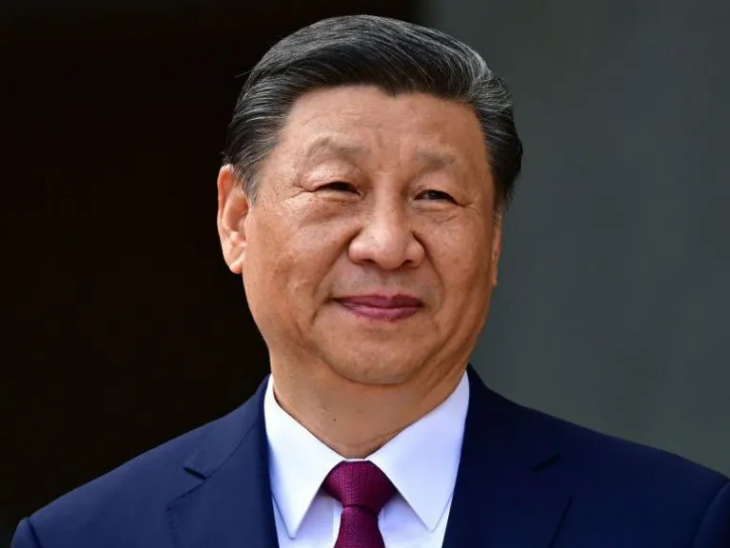
The Jinping government in China is preparing to approve a new law, in which different ethnic groups will be given a single national identity. According to BBC report, the name of this law is ‘Law on Promoting Ethnic Unity and Progress’. There are 56 ethnic groups in China such as Han, Uighur, Tibetan, Mongol. The Chinese government has long been accused of pursuing policies that suppress the country’s ethnic minorities and forcibly assimilate them into the majority Han Chinese culture. According to the report, now a new law is going to be passed in the annual session of the Chinese Parliament. Experts and human rights activists say that this law will increase the threat to the rights of minorities and their culture. However, the Chinese government says that this law is necessary to increase unity among the people in the country and to modernize the country. The government is calling it a ‘law to promote ethnic unity and progress’. Some main points of the new law- Mandarin will be given more importance. The status of other languages will decline. Marriage between different ethnic groups will be encouraged and attempts to stop such marriage will be considered wrong. Parents must teach children to love the Chinese Communist Party. If any person, organization or activity says or does anything that increases conflict, hatred or demands for separation between different ethnic communities, then it will be banned. New law will strengthen Jinping’s policy Chinese President Xi Jinping has already talked about ‘Sinicization’ of religion many times. This means that religious traditions and practices must also be in line with Chinese culture and values, according to the Communist Party. Experts believe that the new law will further strengthen this policy. According to Aaron Glasserman of the University of Pennsylvania, policies such as promoting Mandarin and controlling minority identity and religious expression were already in place. Now the Chinese government is giving the form of these policies not just as policy but as law. Restrictions on minority communities in China The Chinese government says that due to these violent incidents it was necessary to take strict measures. But the United Nations and human rights organizations allege that more than 1 million Uyghur Muslims were kept in detention camps. The Chinese government calls them ‘re-education and vocational training centres’. Reports also said that religious activities of Uyghurs were banned and many mosques were closed. Monasteries are also tightly controlled in Tibet. Children under the age of 18 now have to study in Mandarin in government schools and cannot read Buddhist religious texts. Earlier, children used to go to monastery schools to get training to become monks. In recent years, there have been protests in Inner Mongolia following a ban on the study of the Mongolian language and an order to demolish Muslim mosques in Ningxia. Experts believe that the government felt the need to bring a new law due to the fear of instability in these areas. This will give the government more control over areas that connect China with neighboring countries and global trade routes.
Source link
56 ethnic groups in China will get an identity: marriage between different communities will be encouraged, children will be taught to love the Communist Party.
 By ayoobkk2022