
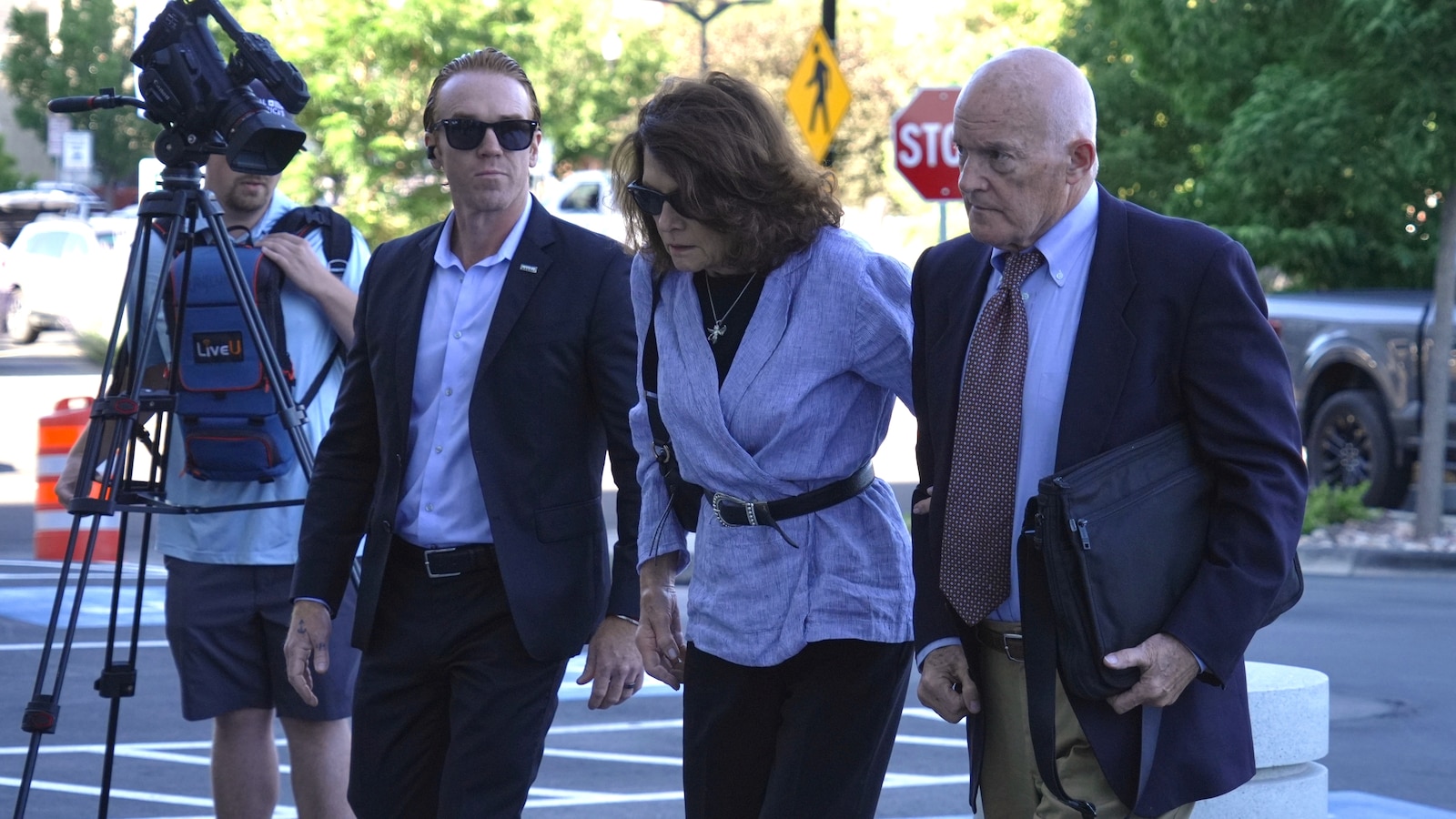
PROVO, Utah — Lawyers for the man accused of killing conservative activist Charlie Kirk plan to call a final witness on Friday as they try to raise doubts about the prosecution’s case before it can go to trial.
A Utah judge is deciding whether prosecutors have enough evidence to put Tyler Robinson on trial on a charge of aggravated murder. Kirk, 31, was killed as he spoke to a crowd of thousands at Utah Valley University on Sept. 10.
One of Robinson’s attorneys, Michael Burt, tried to inject uncertainty into the case Thursday by challenging the reliability of ballistics tests on a bullet fragment recovered from Kirk’s body. Authorities sought to tie the fragment to the suspected murder weapon, but the results were inconclusive.
“Saying anything but inconclusive was inappropriate,” said Samantha Karner with the Bureau of Alcohol Tobacco Firearms and Explosives.
Burt earlier in the week questioned the reliability of DNA evidence that investigators said linked Robinson to the scene. Experts say the science behind DNA testing is sound.
Robinson has not entered a plea. He turned himself in a day after the fatal shooting of Kirk, a close ally of President Donald Trump credited with helping galvanize young voters for the Republican in the 2024 election.
The defense said it would call a final witness to testify Friday, the final day of the weeklong preliminary hearing.
However, a decision from state District Judge Tony Graf won’t come until after Sept. 1, when he scheduled oral arguments in the matter.
Prosecutors on Thursday aired portions of a recorded interview with Robinson’s roommate, Lance Twiggs.
The day after Kirk was shot in the neck, Robinson allegedly told Twiggs “he wishes he hadn’t done it,” a recording played in court revealed.
Later that same day — and only about an hour before turning himself in — Robinson posted “it was me at UVU yesterday,” in a chat room on the Discord social media platform, according to investigators and messages shown by prosecutors.
Defense attorneys unsuccessfully fought the public release of the statements from Twiggs and the chat room messages. They argued prosecutors would characterize the material as a confession, undermining Robinson’s right to a fair trial.
Prosecutors contend the shooting endangered others at Kirk’s campus event — an aggravating circumstance that could make the crime punishable by death under Utah law. Robinson also faces possible sentence enhancements based on claims by prosecutors that he targeted Kirk because of his political views.
Twiggs said in the April interview with prosecutors and investigators that Robinson sometimes talked about politics, including Trump. But Twiggs said he never heard Robinson talk about Kirk before the shooting. The defendant also did not talk much about gender issues or LGBTQ rights, Twiggs said.
___
Brown reported from Billings, Montana.