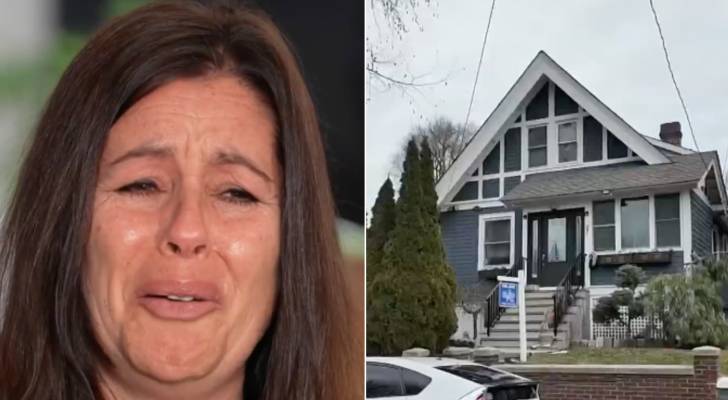
Several Staten Island families say they lost their homes after turning to a foreclosure prevention company that claimed it could help them (1).
Instead, homeowners say that working with a business called JT Home Savers left them evicted, locked out and scrambling to bag up their belongings after losing their homes. Some say they were told their situations were “under control,” only to learn — too late — that their properties had been sold.
One of those homeowners, Dina Pantazis, described the heartbreak of being forced out as a locksmith changed the locks on her longtime Staten Island home.
“I was running around the house trying to grab things that I needed, grabbing bags and just throwing things in bags,” Pantazis told NBC 4 New York (1). “After 20 minutes, we had to go.”
Homeowner Joe Forte told NBC 4 that a new owner opened his home to strangers “to take whatever they wanted to take,” including his children’s clothing, after purchasing and changing the locks on his home.
Text messages reviewed by NBC 4 showed homeowners receiving requests to send payments as they awaited mortgage refinancing, which they say never materialized. Some homeowners also say they were told not to pay their mortgages during the process, an allegation Lauren Taliento, who runs JT Home Savers, denied in a statement to NBC 4. About the homeowners’ payments, Taliento stated that, “Any funds exchanged were solely for clearly disclosed administrative processing, consulting or document-related services.”
Attorney Scott Ugell, a retired judge who specializes in real estate law and now represents several of the families, was blunt in his assessment. “In my opinion, it was a garden-variety fraud,” Ugell told NBC 4. “It was encouraging people to give her money, which she had no right to take.”
Initially telling homeowners there was no case, the Staten Island District Attorney’s Office now says it is investigating the matter, according to NBC 4. However, for these homeowners, the damage may already be done.
Foreclosure prevention and mortgage loan modification scams often target homeowners at their most vulnerable — when they’re behind on payments, facing financial hardship and scared of losing their homes. According to the Consumer Financial Protection Bureau(CFPB), these schemes typically work “by making a false promise of saving you” through loan modification promises (2), for example, or special negotiations and insider connections.
For desperate homeowners, these promises can feel like a lifeline. But in reality, the scammers are only in it for themselves. Though the schemes can vary, most follow a similar playbook. The scammers often:
Charge upfront fees, claiming they can save your home from foreclosure.
Tell homeowners to stop paying their mortgage so they can negotiate a better deal.
Pose as experts or consultants, but with no legal authority to offer mortgage relief services.
Create a false sense of security, assuring homeowners that everything is being “handled.”
Delay action until foreclosure proceedings are too far along to stop.
Even just a short pause in communication with your lender, or a few missed payments based on bad advice, can turn a temporary financial setback into a permanent consequence. Once a home is sold at auction, most homeowners are left with few legal options.
And the damage often isn’t just financial. Families can lose stability, housing security and irreplaceable personal belongings in the process.
Here are red flags to help you avoid a mortgage modification scam:
Upfront fees. In most cases, charging fees before securing a loan modification is illegal (3).
Guaranteed outcomes. No third party can guarantee foreclosure relief or loan approval.
They tell you to stop paying your mortgage. This often speeds up foreclosure rather than preventing it.
Pressure you to act quickly or secretly. Scammers can rely on fear and urgency to prevent their victims from realizing something is wrong.
Ask you to sign over your deed or give them financial authority. This can lead to immediate loss of ownership.
Remember, if someone promises something that sounds too good to be true, it probably is. To protect yourself from scammers, work directly with your mortgage servicer whenever possible. If you need help navigating the process, look for HUD-approved housing counselors, who provide free or low-cost help, including determining if you qualify for any support programs. And if anyone asks you to sign documents or pay fees, talk to a real estate attorney first.
Knowing the warning signs and finding legitimate support early can make the difference between recovery and, as these Staten Island homeowners learned, irreversible loss.
Join 200,000+ readers and get Moneywise’s best stories and exclusive interviews first — clear insights curated and delivered weekly. Subscribe now.