- hindi news
- international
- Asia Energy Crisis Deepens | Iran War Impact; Flights Cancelled, Supply Chain Hit, Inflation Rises
washington dc3 minutes ago
- copy link
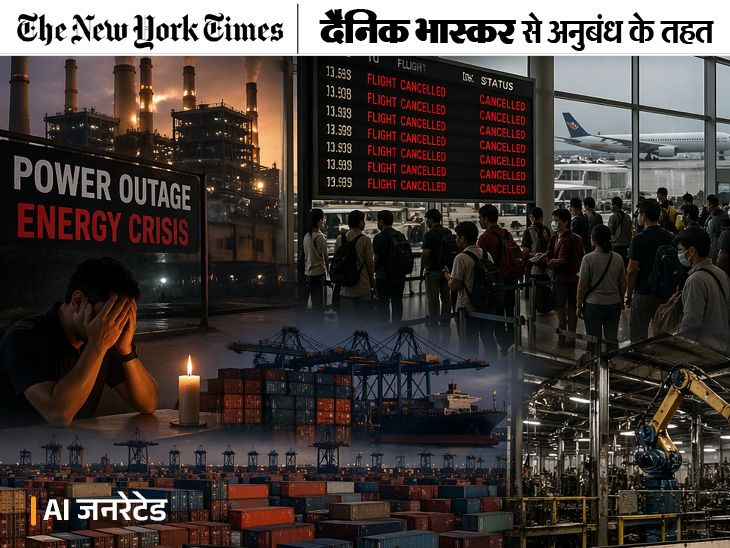
The war in Iran, which began on February 28, is impacting the Asia-Pacific region faster and more than expected. Initially it was thought that the effect of shortage of oil and gas would be visible gradually, but in reality there has been a sudden big blow to the economy and normal life of many countries. Many experts are comparing it to a big crisis like Covid.
Even if a peace agreement is reached soon, its impact on this entire region is going to last for a long time. In the coming months, there may be cancellation of flights, increase in prices of food items, closure of factories, delay in supply of goods and shortage of everyday items in the markets. This also includes things like plastic bags, instant noodles, vaccines, syringes, lipsticks, microchips and sportswear.
Experts say that if trade routes through the Middle East remain disrupted for a few more weeks, the situation in many countries could worsen, leading to unrest and recession. Many companies are on the verge of bankruptcy and governments are taking huge loans to control inflation. According to United Nations estimates, millions of people in Asia could fall into poverty by the end of the year.
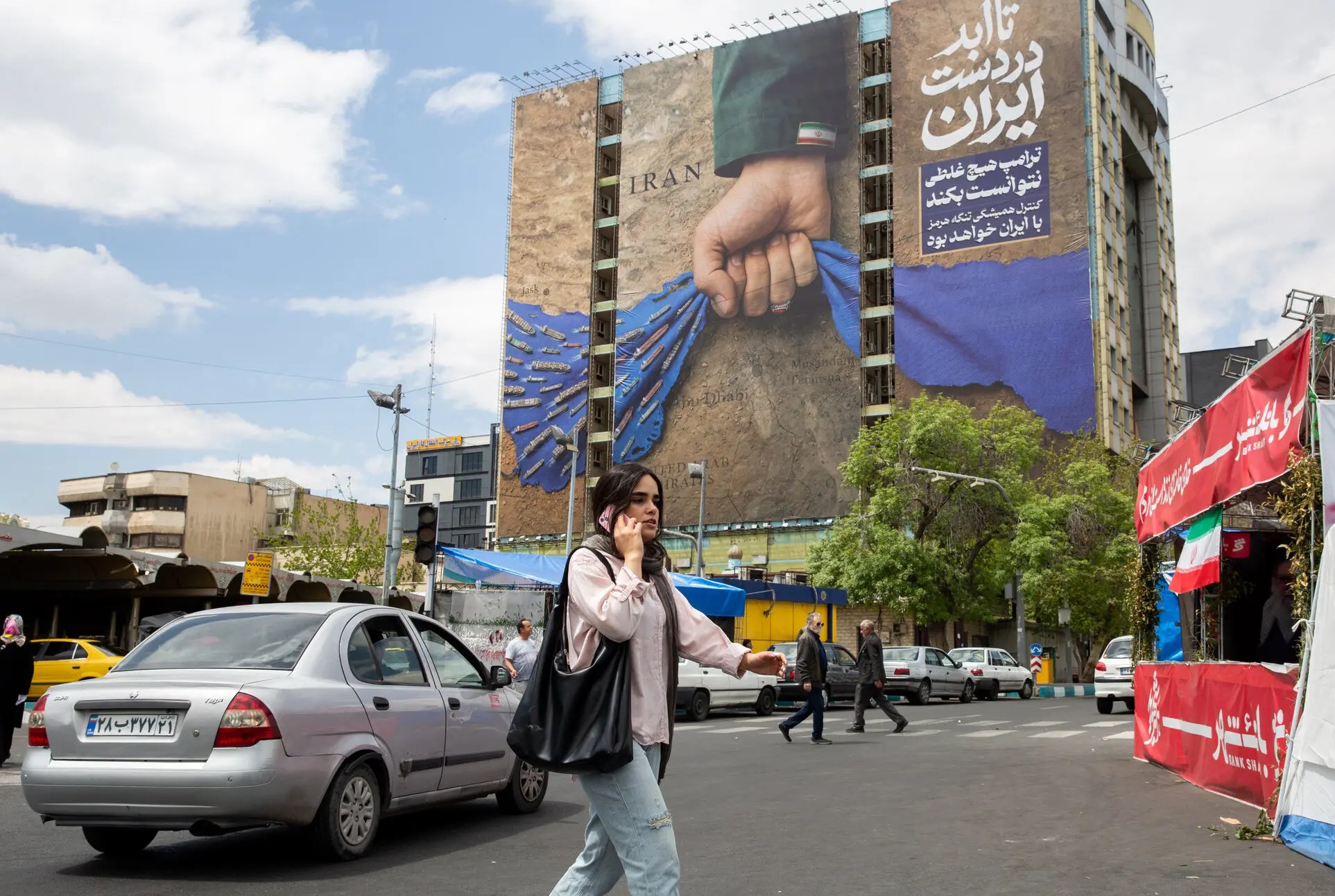
A banner related to the Strait of Hormuz has been installed on a building in Tehran. It is shown that Iran has control over Hormuz.
Threat of economic crisis from India to Sri Lanka
According to the International Monetary Fund (IMF), the world economy is slowing down almost everywhere as about 20% of the world’s oil supply has gone out of the market. The supply chain of the entire Asia has been shaken due to the stoppage of oil and gas coming from the Middle East.
Asia-Pacific was hardest hit because the region is heavily dependent on oil and gas from the Middle East, its economies are deeply interconnected, and demand for energy was already high while supply was low.
Even if the Hormuz problem is resolved tomorrow, it may take years for oil and gas supplies to return to their previous levels.
The impact on rich countries like China will be less because they have more resources, but the situation is worse in the rest of Asia. The real situation of many countries is not as good as it is shown.
Farmers of Vietnam, laborers of India, hotel owners of Sri Lanka, drivers of Philippines and businessmen of Hong Kong-Singapore, everyone is worried. Many governments are trying to appear calm from outside, but internally it is becoming difficult to handle the situation. Transport, manufacturing and employment, these three big sectors are under pressure together.
Transport sector in crisis, supply in danger
There is a huge crisis in the transport sector. As soon as the war began on February 28, trucks, ships and aircraft in Asia began to be affected. More than 92,000 flights were canceled worldwide in March, which is double the number before, and the biggest impact was seen in Asia-Pacific.
Airlines flying through the Middle East immediately stopped flights to major hubs like Dubai. The price of jet fuel almost doubled and the supply was also in danger, due to which airlines closed many routes. Many companies like Qantas, Air New Zealand, Lion Air, Vietjet, AirAsia, Air India and Cathay Pacific have reduced services. Malaysia’s Batik Air even reduced its flights by 35% to avoid bankruptcy.
According to experts, air traffic in Asia-Pacific has fallen by one third. Small airlines are facing losses of crores every week and many are on the verge of closure. Even during Covid, there was not as much uncertainty as there is now.
This has also affected remote areas, where it has now become more difficult to reach. The business of travel agencies, hotels and restaurants has suddenly fallen. According to a hotel owner in Sri Lanka, ticket prices have tripled and hotel bookings have fallen by 80-90%.

Tourists on a beach in Sri Lanka; There has been a sharp decline in occupancy in many hotels in South Asia.
Shortage of raw materials, factories slow down, supply chain broken
The crisis is deepening in factories also. The raw materials required for many industries come from the Middle East and now the stock is beginning to run out. Nickel production in Indonesia has had to be reduced due to shortage of gas and sulfur.
Production and supply in the garment sector of Bangladesh is also being affected. The price of thread has almost doubled and it is becoming difficult for factories to operate.
The semiconductor industry is also being affected as helium production in Qatar, which is needed for chip making, has stopped. This has increased prices and may affect production.
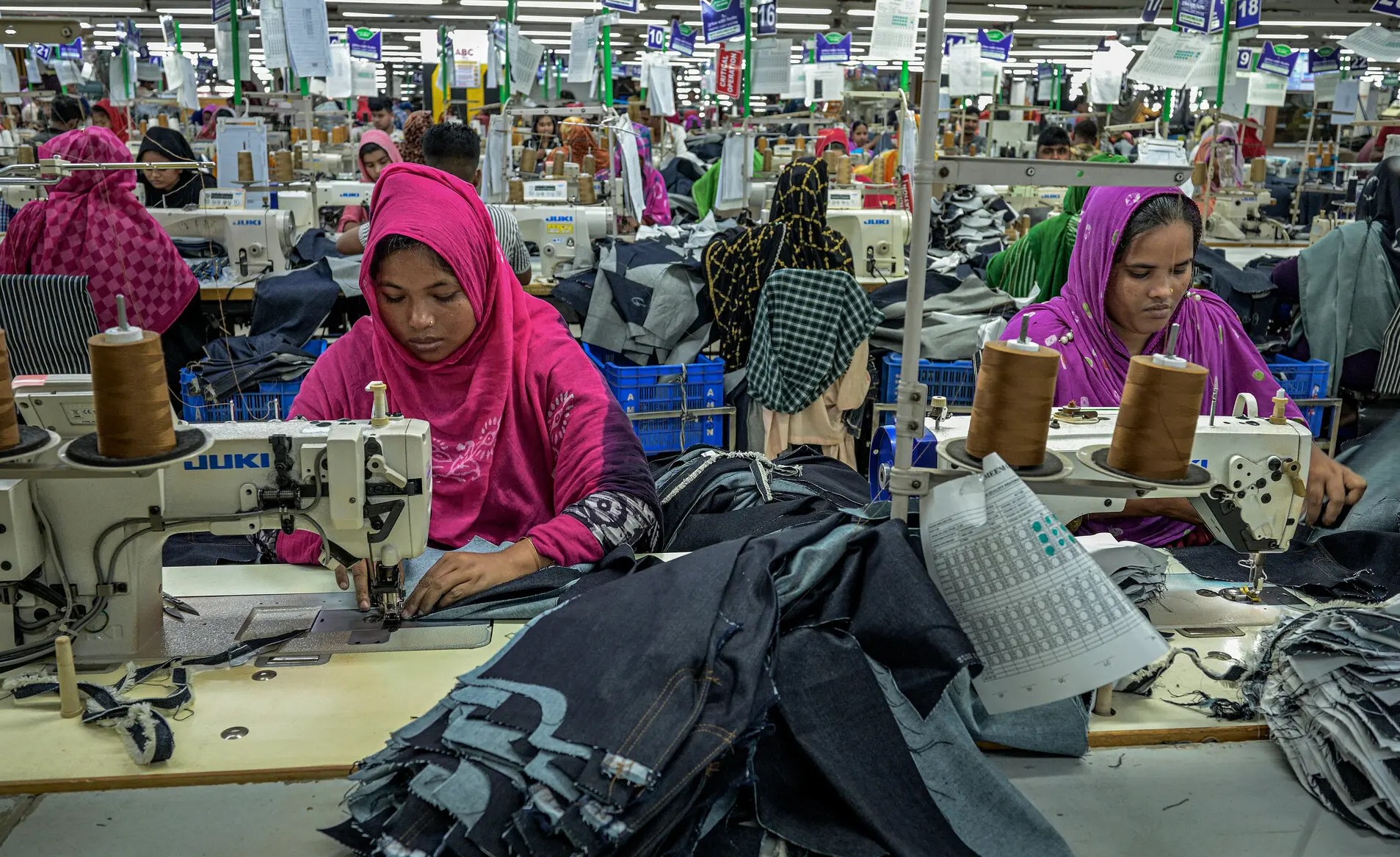
Women working in a garment factory in Dhaka. The Iran war is causing major disruptions in production and shipments.
Domino effect: one crisis leads to many crises
According to experts, this ‘domino effect’ is spreading rapidly. That means one problem is giving rise to another problem. The shortage of plastic is reducing the supply of beauty products, the shortage of fertilizer is affecting farming in Vietnam and the risk of meat shortage has increased in Australia.
Its biggest impact is on the common people. According to the United Nations, about 8.8 million people in Asia-Pacific could fall into poverty, of which about 5 million will be in Iran alone.
Employment is decreasing, expenditure is increasing and the supply of medicines and vaccines is also being affected. At many places, schools and colleges are also being affected and the use of coal for electricity is increasing again, due to which pollution is increasing.
Many industrial areas in India are closed due to lack of fuel and workers are returning back to their villages. The prices of medicines have started increasing. In the Philippines, due to expensive transportation, people are not able to go to work and drivers have even gone on strike.
Expert said – this economic crisis is like a tsunami
The condition of small businessmen is worse. Where earlier people were earning 40 dollars (about 3600 rupees) per day, now they are able to earn less than 10 dollars (900 rupees) because customers are not coming. According to the United Nations, this war could cause a loss of 97 billion to 299 billion dollars to Asia-Pacific.
If we look at the bottom level, people’s problems start from inflation and unemployment. Income decreases and expenses increase. In many places, the situation is such that vegetables are getting spoiled in the fields because they cannot bear the expense of taking them to the market.
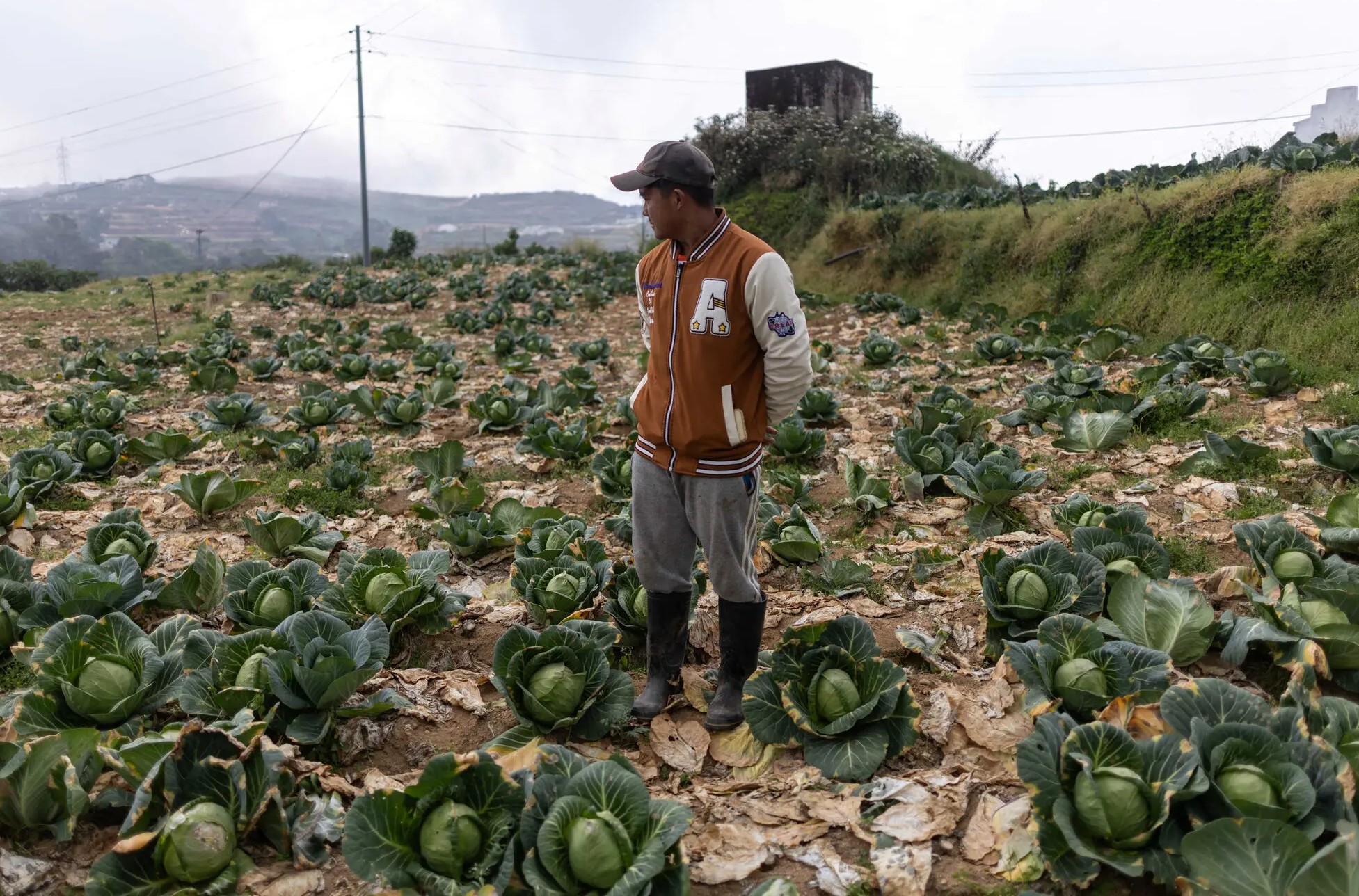
A farmer looking at his cabbage field in Atoc (Philippines). The farmer refused to harvest the crop. He says it is better to let the crop rot in the field than sell it at a loss due to rising fuel costs for delivery. The picture is from March.
Overall, this crisis has spread very rapidly and will not be easy to handle. Even if there is peace between America and Iran, the effects of inflation and shortage may last for a long time. An expert has described it as a tsunami, which spreads very fast. He says that it is surprising to see that some people still believe that they will survive this.